Countering Xenophobia: The history they don’t tell us about Namibia
We recognise that rising xenophobia, and specifically Afrophobia, scapegoats migrants while distracting us from the real causes of inequality. These include colonialism, weak governance, corruption, privatisation, and economic systems that continue to benefit a wealthy few at the expense of the majority.
To understand migration today, we must remember history. Across southern Africa, colonialism, racial capitalism and extractive industries shaped the movement of people, wealth and resources. South Africa itself also became a regional colonial power, extending its political, military and economic control over neighbouring countries. Today we look at Namibia.
Did you know…
Namibia, then known as German South West Africa, became a German colony in 1884. German traders and colonial authorities seized land through deception, violence and so-called “protection treaties.” German rule dispossessed the Herero and Nama peoples of their land and cattle, forming a settler colony built on land theft and forced labour. Between 1904 and 1908, Germany carried out the genocide of the Herero and Nama peoples. Tens of thousands were massacred, starved, forced into displacement and concentration camps in what is recognised as the first genocide of the twentieth century.
When diamonds were discovered in 1908, German authorities imported labour from across the region because they had exterminated much of the local population.
After Germany’s defeat in the First World War, South Africa occupied Namibia under a League of Nations mandate. But instead of preparing the country for independence, South Africa deepened colonial rule. The apartheid government extended into Namibia and took control of its mineral wealth, using this to strengthen South Africa’s economy. Control over Namibia’s valuable diamond and uranium resources benefited South African and foreign interests.
South Africa also worked closely with Portuguese colonial authorities in Angola to develop major water and energy infrastructure on the Kunene River, including the Ruacana hydroelectric scheme. While presented as development, these projects primarily served colonial and apartheid economic interests rather than the needs of local communities. The International Court of Justice declared South Africa’s occupation illegal in 1971, but apartheid South Africa still occupied Namibia for almost two more decades.
Following Angola’s independence in 1975, South Africa used the Calueque-Ruacana dam system as a military entry point during the Angolan war. South Africa claimed it was protecting strategic infrastructure while defending apartheid’s regional interests. Namibia only achieved independence in 1990 after decades of armed struggle led by SWAPO and sustained international solidarity. Yet political independence did not end extractive economic relationships.
Today, Namibia continues to export its mineral wealth while importing much of its electricity from South Africa. Despite expanding the Ruacana hydroelectric station, the country still relies heavily on electricity imports. New gas-to-power and hydropower projects are also being promoted to support industrial development.
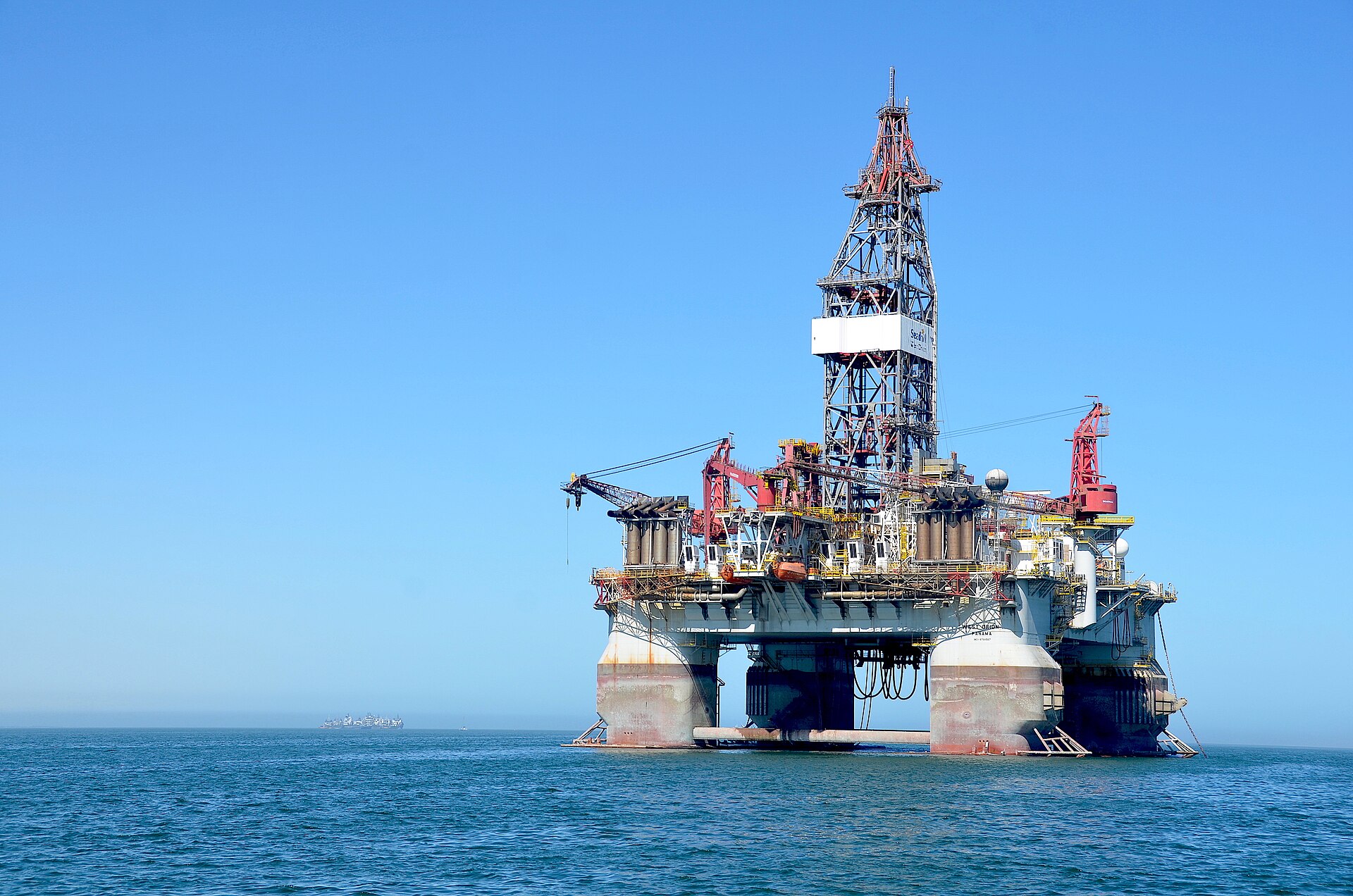
At the same time, Namibia is being positioned as Africa’s next major oil frontier. Since the early 2000s, exploration licences have generated enormous profits for politically connected elites while multinational oil companies expanded their interests. Companies including TotalEnergies, Shell, Galp, Chevron, ExxonMobil and ReconAfrica have recently announced major oil discoveries and exploration projects. These are located both offshore and in the ecologically sensitive Kavango Basin.
These projects threaten biodiversity, contribute to climate change, and risk repeating a familiar pattern across Africa. They perpetuate a cycle of wealth flowing to corporations and elites while local communities bear the costs of displacement, environmental destruction, and inequality.
This story is part of a series countering xenophobia and Afrophobia in South Africa. Each post explores how colonial histories, South Africa’s history and its present-day political and economic relationships with countries on the continent have shaped migration, energy systems, resource extraction and inequality. By understanding these shared histories, we can challenge the myths that blame migrants for crises they did not create. Migration is not the problem. Colonialism, exploitation, inequality and climate injustice are. Stay tuned for the next story as we continue to unpack the histories that connect us across Africa.