Countering Xenophobia: About the Democratic Republic of the Congo
We recognise that rising xenophobia, and specifically Afrophobia, scapegoats migrants while distracting us from the real causes of inequality. These are colonialism, exploitation, corruption, and economic systems that continue to enrich a powerful few at the expense of millions.
To understand migration today, we must remember history. Across Africa, colonialism, racial capitalism and the extraction of natural resources have shaped access to land, wealth and livelihoods. This forces people to move.
Today we look at the Democratic Republic of the Congo (DRC).
Did you know…
The Democratic Republic of the Congo is one of the richest countries in the world in natural resources. It holds vast reserves of cobalt, copper, coltan, gold, diamonds and uranium. These minerals power smartphones, electric vehicles, batteries and renewable energy technologies. Yet millions of Congolese people continue to live in poverty.
This contradiction has its roots in colonialism.
In 1885, Belgium’s King Leopold II claimed the Congo as his personal colony. King Leopold killed, mutilated, or forced millions of Congolese into labour, while extracting rubber, ivory, and minerals to enrich Europe. Although the DRC gained independence in 1960, the struggle for control over its mineral wealth never ended.
South Africa has also been part of this regional history of extraction.
During the Second World War, the US government used uranium from the Shinkolobwe mine in southern DRC in the Manhattan Project to build the atomic bombs dropped on Hiroshima and Nagasaki. Uranium from the DRC and Zambia was transported through southern Africa, including South Africa, becoming part of a wider regional extractive network that served global military and industrial interests. The mine and surrounding environment have been left heavily contaminated, while local communities have seen few of the benefits from the immense wealth extracted from their land.
The DRC has also long been viewed as a source of energy for southern Africa.
Migration does not happen in isolation
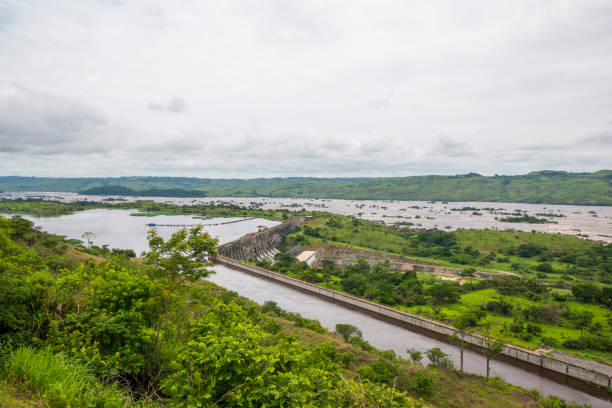
For decades, governments and investors have promoted the Grand Inga Hydropower Project on the Congo River as one of the world’s largest electricity projects. South Africa has signed agreements to purchase thousands of megawatts of electricity from Grand Inga, positioning the project as part of its future energy supply.
Supporters argue the dam could help address Africa’s energy needs. However, communities, environmental justice organisations and civil society groups have warned that the project could displace thousands of people, damage ecosystems and prioritise electricity exports and large industries over energy access for Congolese communities. It raises familiar questions about who benefits from Africa’s natural resources and who bears the costs.
At the same time, eastern DRC continues to experience armed conflict fuelled by competition over valuable minerals, including cobalt, coltan, gold and tin. These minerals are essential to the global economy and increasingly to the global energy transition, yet millions of Congolese people continue to face violence, displacement and poverty while multinational corporations profit.
Colonial violence, resource extraction, unequal energy systems, conflict and climate injustice all shape migration. The DRC reminds us that some of the world’s richest lands have been made poor through generations of exploitation that continue to benefit powerful states and corporations.
Rather than blaming migrants, we must confront the systems that continue to produce displacement, poverty and injustice across our continent.
This story is part of a series countering xenophobia and Afrophobia in South Africa. Each post explores how colonial histories, South Africa’s history and its present-day political and economic relationships with countries on the continent have shaped migration, energy systems, resource extraction and inequality. By understanding these shared histories, we can challenge the myths that blame migrants for crises they did not create. Migration is not the problem. Colonialism, exploitation, inequality and climate injustice are. Stay tuned for the next story as we continue to unpack the histories that connect us across Africa.