Community Voices: Climate Impacts on Water and Livelihoods
Interview with Philiswa Gwazela, Programme Manager at Qunu Community Advice Office
Across South Africa, communities are experiencing the growing impacts of climate change in their daily lives: from water shortages and extreme heat to destructive storms. In the beginning of 2026, many parts of southern Africa including Limpopo and Mpumalanga experienced devastating floods sparking international attention. In the rural Eastern Cape, heavy rainfall has also continued this year, adding to a pattern of recurring disasters in the province.
Over recent years, these floods have had severe consequences, resulting in the loss of lives, homes, livelihoods, and critical infrastructure, deepening vulnerability in already under-resourced communities.
In this short interview, Philiswa Gwazela from the Qunu Community Advice Office shares how these changes are affecting rural communities in her community of Qunu in the Eastern Cape, and how her organisation is responding despite limited resources.
How has climate change – and particularly storms – affected your community recently?
Climate change, and particularly storms, has affected our daily living. In rural areas, most communities are struggling with water. We have experienced changes in rainfall timing since the beginning of the year, which has affected agriculture. We are also experiencing very hot temperatures that negatively impact production.
Storms are destroying buildings and infrastructure, and currently many people have been left destitute. Government processes are taking their own pace to assist.
What are some of your community’s main challenges as a result?
This has affected my community in such a way that roads have been damaged and people are left without shelter. Schools are in a very poor state, learners are forced to share buildings and use local churches. They are overcrowded in very small spaces.
In what ways is your organisation trying to help people with this issue?
Our organisation has been collecting information on people affected by storms. We have visited nearby schools to gather information and take pictures of households affected.
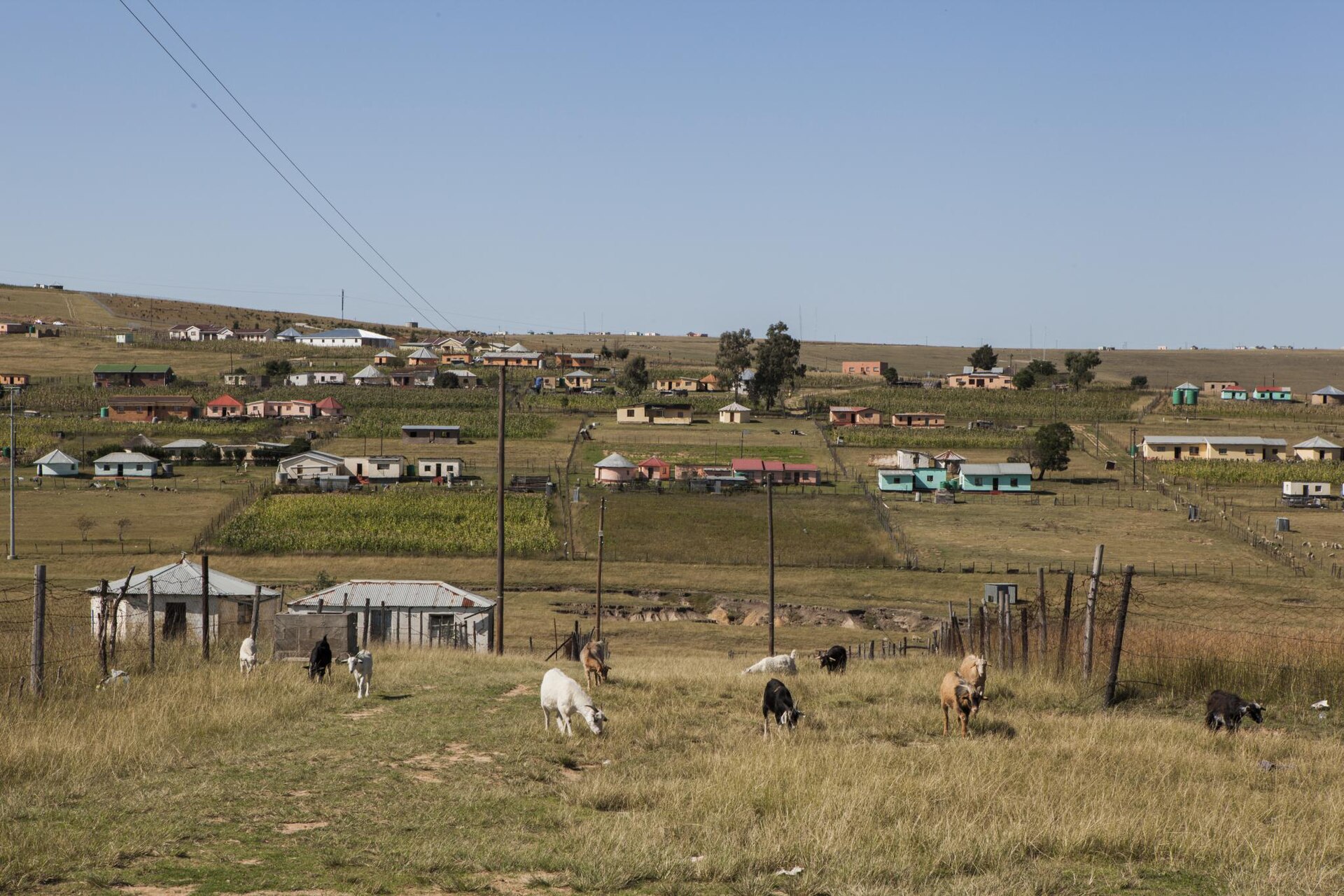
Caption: The roofs of schools in Qunu have been damaged by February storms, leaving children to learn in overcrowded buildings and in the local churches.
We have also informed the ward councillor about the progress made by our organisation and explained the situation, working together with traditional leaders in affected areas. Our role is to assist families, especially those with children, people with disabilities who may need urgent attention, and elderly people.
The challenge is that we are operating with a zero budget.
What help does your community need?
The community needs to be sensitised about current weather patterns and climate change how it will impact them. People in our villages need help with rebuilding their homes and restocking their livestock. Many are poor, with no income, and depend on livestock for survival.
How can your community be better prepared for the effects of climate change like floods, storms, or droughts?
Communities need to be educated about climate change and environmental justice. They need support on preparedness for drought and ways to adapt to extreme heat, including using older styles of cultivation.
They also need to be educated on how to choose safe places to build homes and be cautious when selecting land in the stance of storms and flooding. Importantly, people need to understand their rights, for example, how long they should wait for assistance from the government after disasters.
Philiswa’s reflections highlight how the water crisis and climate change are deeply interconnected. We see how climate change affects more than just water, and impacts housing, education, livelihoods, and dignity. It also shows the critical role that community-based organisations play in responding to these challenges, as intermediaries between people and the government, often with little to no resources.
As climate impacts continue to intensify, it is clear that communities need not only immediate support, but long-term investment in resilience, infrastructure, and climate justice.
This interview forms part of the Climate Justice Coalition’s current content theme: “Water and how climate change affects our communities”, which explores the impacts of drought, flooding, water shortages, and failing infrastructure across South Africa.
Keep an eye on our social media platforms and the People’s Power Blog over the coming weeks for more stories, reflections, artwork, and community voices from across the Coalition as we continue to unpack this urgent issue.